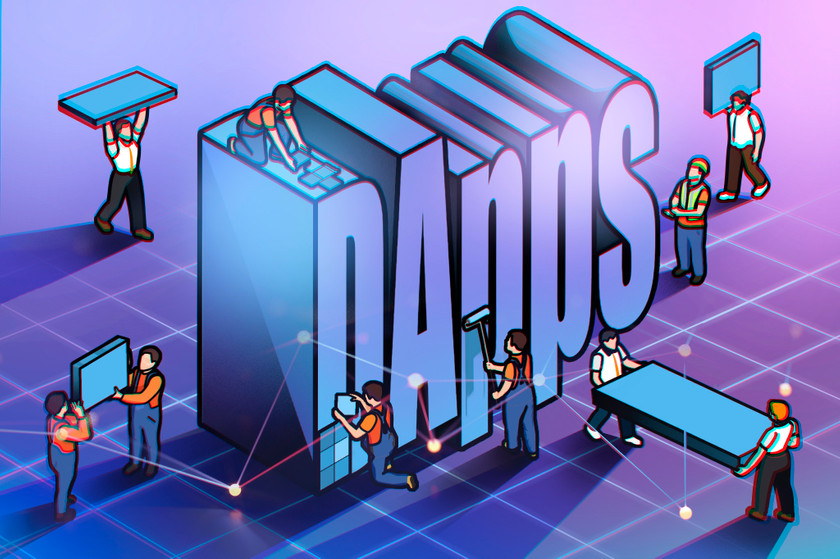

How interoperability can scale DApps in 2022.
What platforms are using Substrate for scaling?
There are several projects that have been built within the Substrate environment.
One of them is CLV Chain — a chain working to offer interoperability with the EVM among other blockchain networks.
CLV Chain is a Substrate-based layer-1 chain compatible with the EVM, which means that developers can easily migrate their projects and smart contracts to the CLV Chain network despite having written them in Solidity within the EVM.
This EVM compatibility, combined with Polkadot’s interoperability possibilities, ensures developers can deploy their DApps to Ethereum alongside other parachains.
DApp developers will enjoy direct integrations with popular applications like MetaMask and Remix, helping streamline the development process and ensure more useful DApps for CLV users. As a result, more DApps harnessing the interoperability options offered by Polkadot means a more scalable future for all.
Learn more about CLV Chain
Disclaimer. Cointelegraph does not endorse any content or product on this page. While we aim at providing you with all important information that we could obtain, readers should do their own research before taking any actions related to the company and carry full responsibility for their decisions, nor can this article be considered as investment advice.
What is Substrate?
Substrate is similar to Ethereum’s EVM, ensuring developers can build and test their applications in an isolated environment.
Substrate is an open-source development platform providing developers with a framework for building their own parachains. Substrate-powered chains are tied to the Polkadot main chain while also being interoperable with other blockchain networks. The Substrate offering provides an isolated virtual environment (WASM) similar to Ethereum’s for DApp development and testing.
What are other blockchain networks suitable for DApps development?
Let’s examine the Polkadot network, for instance.
Polkadot (DOT) is a next-generation blockchain aiming for interoperability and building upon the concepts introduced by Ethereum. It is a blockchain protocol attempting to unite blockchain networks into one compatible environment.
The protocol is broken into two chain types: the main chain (also known as a relay chain) and parachains. Polkadot’s main chain is similar to other blockchain networks, providing transaction consensus and security. Parachains, however, are user-built chains that harness the power of the main chain and relay information to the main chain to ensure Polkadot has a consistent transaction history.
By providing security through the main chain and allowing for developer-powered parachains, Polkadot aims to offer all sorts of use cases without sacrificing scalability. Not only this, but such versatility will enable developers to build bridges or connections between blockchain networks, which, in turn, enables interoperability.
In this same vein, Polkadot also offers its own sort of virtual environment through Substrate.
What is the EVM?
The EVM exists so developers can build and test their applications in a secure environment before deploying them to the public network.
Ethereum’s virtual machine is a runtime environment — a sort of operating system in which developers can build and test their DApps without requiring powerful hardware of their own. Developers write their DApps in the Solidity programming language before sending them to the EVM, which can then execute the code via smart contracts.
However, the EVM exists in an isolated environment separate from the rest of Ethereum’s network. Such an operation is vital to the success of DApp development, as it enables developers to build while utilizing the full power of smart contracts without congesting the network or leaving their projects open to security vulnerabilities.
As Ethereum is a decentralized network, anyone in the world can access the EVM, ensuring DApp development is as accessible as possible. The EVM is powered by nodes connected to the Ethereum network, as is the history of the Ethereum blockchain.
Now, what if developers want to harness the EVM’s power while deploying on other blockchain networks?
What is interoperability and why is it important for DApps scaling?
Interoperability is the future of blockchain development.
Interoperability is the act of ensuring blockchain networks can interact with one another. From Bitcoin’s (BTC) inception, most blockchain networks have existed siloed off from each other, meaning users will struggle to move assets from one network to another, limiting their usage of decentralized applications and other benefits offered by specific chains.
A lack of interoperability limits users, but it also limits decentralized app (DApp) developers by forcing them to create one chain despite its pros and cons. These limitations also prevent networks from scaling, as interoperability ensures networks can reach as many users as possible.
For example, Ethereum (ETH) features a robust virtual machine environment called the EVM. However, developers wanting to utilize the EVM are forced to build on the Ethereum platform, which is slow and expensive despite its massive user base.


How interoperability can scale DApps in 2022.
What platforms are using Substrate for scaling?
There are several projects that have been built within the Substrate environment.
One of them is CLV Chain — a chain working to offer interoperability with the EVM among other blockchain networks.
CLV Chain is a Substrate-based layer-1 chain compatible with the EVM, which means that developers can easily migrate their projects and smart contracts to the CLV Chain network despite having written them in Solidity within the EVM.
This EVM compatibility, combined with Polkadot’s interoperability possibilities, ensures developers can deploy their DApps to Ethereum alongside other parachains.
DApp developers will enjoy direct integrations with popular applications like MetaMask and Remix, helping streamline the development process and ensure more useful DApps for CLV users. As a result, more DApps harnessing the interoperability options offered by Polkadot means a more scalable future for all.
Learn more about CLV Chain
Disclaimer. Cointelegraph does not endorse any content or product on this page. While we aim at providing you with all important information that we could obtain, readers should do their own research before taking any actions related to the company and carry full responsibility for their decisions, nor can this article be considered as investment advice.
What is Substrate?
Substrate is similar to Ethereum’s EVM, ensuring developers can build and test their applications in an isolated environment.
Substrate is an open-source development platform providing developers with a framework for building their own parachains. Substrate-powered chains are tied to the Polkadot main chain while also being interoperable with other blockchain networks. The Substrate offering provides an isolated virtual environment (WASM) similar to Ethereum’s for DApp development and testing.
What are other blockchain networks suitable for DApps development?
Let’s examine the Polkadot network, for instance.
Polkadot (DOT) is a next-generation blockchain aiming for interoperability and building upon the concepts introduced by Ethereum. It is a blockchain protocol attempting to unite blockchain networks into one compatible environment.
The protocol is broken into two chain types: the main chain (also known as a relay chain) and parachains. Polkadot’s main chain is similar to other blockchain networks, providing transaction consensus and security. Parachains, however, are user-built chains that harness the power of the main chain and relay information to the main chain to ensure Polkadot has a consistent transaction history.
By providing security through the main chain and allowing for developer-powered parachains, Polkadot aims to offer all sorts of use cases without sacrificing scalability. Not only this, but such versatility will enable developers to build bridges or connections between blockchain networks, which, in turn, enables interoperability.
In this same vein, Polkadot also offers its own sort of virtual environment through Substrate.
What is the EVM?
The EVM exists so developers can build and test their applications in a secure environment before deploying them to the public network.
Ethereum’s virtual machine is a runtime environment — a sort of operating system in which developers can build and test their DApps without requiring powerful hardware of their own. Developers write their DApps in the Solidity programming language before sending them to the EVM, which can then execute the code via smart contracts.
However, the EVM exists in an isolated environment separate from the rest of Ethereum’s network. Such an operation is vital to the success of DApp development, as it enables developers to build while utilizing the full power of smart contracts without congesting the network or leaving their projects open to security vulnerabilities.
As Ethereum is a decentralized network, anyone in the world can access the EVM, ensuring DApp development is as accessible as possible. The EVM is powered by nodes connected to the Ethereum network, as is the history of the Ethereum blockchain.
Now, what if developers want to harness the EVM’s power while deploying on other blockchain networks?
What is interoperability and why is it important for DApps scaling?
Interoperability is the future of blockchain development.
Interoperability is the act of ensuring blockchain networks can interact with one another. From Bitcoin’s (BTC) inception, most blockchain networks have existed siloed off from each other, meaning users will struggle to move assets from one network to another, limiting their usage of decentralized applications and other benefits offered by specific chains.
A lack of interoperability limits users, but it also limits decentralized app (DApp) developers by forcing them to create one chain despite its pros and cons. These limitations also prevent networks from scaling, as interoperability ensures networks can reach as many users as possible.
For example, Ethereum (ETH) features a robust virtual machine environment called the EVM. However, developers wanting to utilize the EVM are forced to build on the Ethereum platform, which is slow and expensive despite its massive user base.